
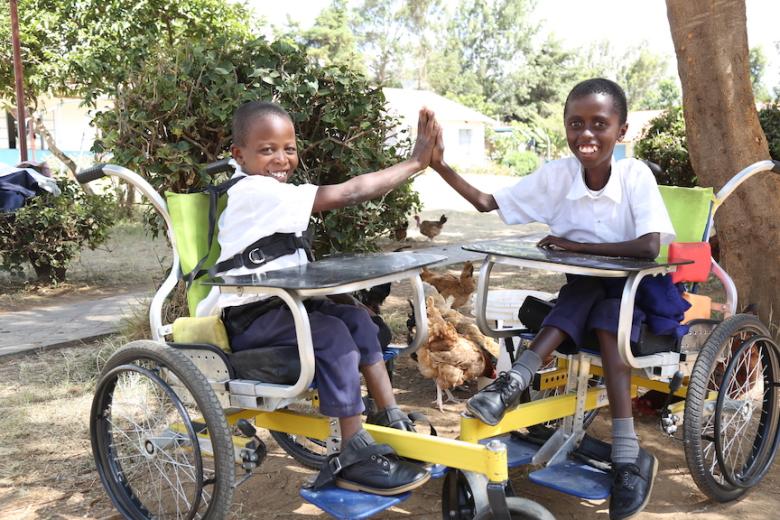
Africa, a continent known for its diversity and resilience, is witnessing a profound transformation in the way society perceives and supports disabled children. In recent years, there has been a significant shift towards empowering these children, offering them opportunities that were once deemed unattainable. This change is not merely a societal evolution; it's a testament to the unwavering spirit of these children and the dedication of individuals and organizations working tirelessly to create a more inclusive world.
*Inclusive Education:*
One of the cornerstones of this transformation is inclusive education. Across Africa, educators and activists are advocating for classrooms where children with disabilities learn side by side with their non-disabled peers. Inclusive education not only provides academic knowledge but also nurtures understanding, empathy, and friendships among students. Through specialized teaching methods and assistive technologies, disabled children can actively participate in the learning process, ensuring that no child is left behind.
*Holistic Healthcare:*
Access to quality healthcare is paramount for disabled children. From specialized medical interventions to rehabilitative services, healthcare providers are collaborating with NGOs to offer comprehensive support. Physical therapy, speech therapy, and counseling are not just treatments; they are pathways to independence and improved quality of life. These services not only address physical challenges but also focus on mental and emotional well-being, recognizing the holistic nature of healthcare.
*Community Engagement and Awareness:*
Communities play a vital role in the journey of empowerment. Awareness campaigns and workshops are dispelling myths and misconceptions about disabilities, fostering acceptance and support. When communities are informed, they become advocates, ensuring that disabled children are integrated into society without prejudice. The heartwarming acceptance coming from communities is not just tolerance; it’s genuine inclusion, where every child is seen for their abilities, not their disabilities.
*Technology as an Equalizer:*
In the digital age, technology has become a powerful equalizer. Mobile applications, online platforms, and assistive devices tailored for disabled children are revolutionizing their access to education and information. These technological innovations are breaking down barriers, reaching children even in remote areas, and providing them with tools to learn, communicate, and express themselves effectively. The impact of technology goes beyond education; it instills confidence and opens doors to a world of possibilities.
*Celebrating Success Stories:*
Amidst the challenges, there are countless success stories. Disabled children are not just surviving; they are thriving. They are artists, athletes, scholars, and advocates, breaking stereotypes and inspiring others. Celebrating these achievements is not just a testament to their abilities but also a reminder of the collective effort that has made these successes possible. Each triumph is a step towards a more inclusive Africa, where disabled children are recognized for their potential and given the opportunities to flourish.
In conclusion, empowering disabled children in Africa is not just a noble endeavor; it’s a moral imperative. It’s about recognizing the inherent worth of every child, irrespective of their abilities, and providing them with the tools and support they need to lead fulfilling lives. The transformative initiatives taking place across the continent are not just shaping the future for these children; they are shaping a more compassionate and inclusive society for us all. As we celebrate these initiatives, let us remember that the journey towards empowerment is ongoing, and our collective efforts can pave the way for a brighter and more inclusive tomorrow.